10 Angsty Manhwa to Read When You Want to Cry
Some nights call for fluff. Others call for angsty manhwa that leave you staring at the ceiling after one more chapter. This list leans into terminal illness, damaged marriages, grief, doomed romance, regret, and trauma recovery, with picks ranging from slow-burn historical romance to compact post-apocalyptic tragedy.
I would not read these expecting easy comfort. Several deal with suicide, abuse, grief, war, or severe emotional trauma, so check each linked Moonlight Toons title page for its full rating and content notes before starting.
What kind of emotional damage do you want tonight?
For terminal-illness heartbreak, start with Karina's Last Days. For marriage regret and emotional collapse, What It Means to Be You and Wished You Were Dead hit harder. If you want something less romance-centered and more existential, The Horizon is the shortest and bleakest pick here.
1. Karina's Last Days
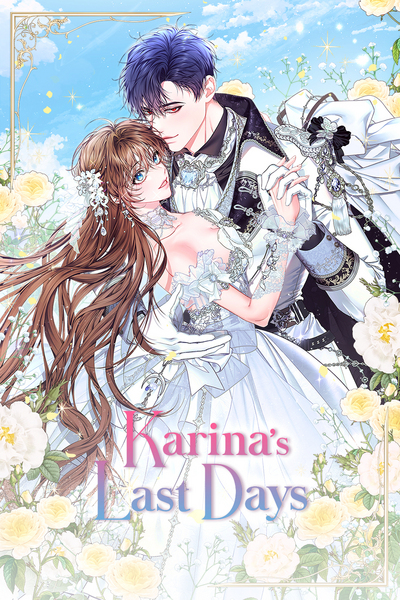
Tropes: Runaway heroine, terminal illness, doomed romance, arranged marriage, green flag ML, regretful family, found family. Status: Ongoing, 120+ episodes. Read on Tapas.
Karina has spent most of her life being overlooked beside her more celebrated siblings. When she learns that her illness will kill her within a year, she leaves home and turns to her estranged fiance, Milian, hoping to spend what remains of her life somewhere she can finally make choices for herself.
The art style: Soft, polished fantasy-romance visuals make the painful scenes feel even more fragile, especially when the story shifts between Karina's artistic gift and her physical decline. The pacing: It is deliberately patient, spending time on small acts of care instead of rushing toward a dramatic cure. The protagonist: Karina is quiet rather than fiery, but her decision to leave is its own form of rebellion.
I would recommend this when you want heartbreak with warmth mixed into it. The romance gives Karina a place to feel valued, but the illness never disappears just because she has found someone kind. Compared with Wished You Were Dead, the pain here is less about cruelty inside a marriage and more about how late love can arrive after years of neglect.
2. What It Means to Be You
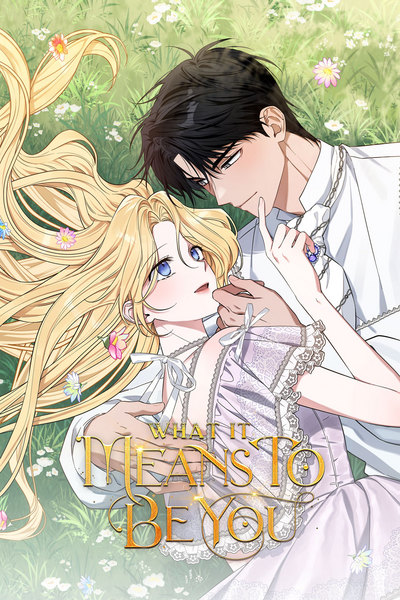
Tropes: Body swap, arranged marriage, marriage of convenience, regretful ML, rich and poor, healing. Status: Completed, 166 episodes. Read on Tapas.
Violet and Winter begin with a marriage that looks beneficial on paper and becomes emotionally destructive in practice. After years of neglect, class pressure, manipulation, and failed communication, a desperate moment triggers a body swap that forces them to experience the consequences of the life each thought the other was living.
The art style: Elegant character work keeps the focus on expressions, social pressure, and emotional distance rather than spectacle. The pacing: Long and sometimes repetitive, because the story makes the couple confront the same wounds from different angles instead of solving everything with one apology. The protagonists: Both are deeply flawed, but Violet's despair carries the emotional center.
This is the pick for readers who want a true regret arc rather than a quick grovel. The body swap is not just a fantasy gimmick; it becomes the mechanism that makes empathy unavoidable. If Karina's Last Days hurts because care comes late, this one hurts because two people can live beside each other for years and still fail to understand what the other is surviving.
3. Seasons of Blossom
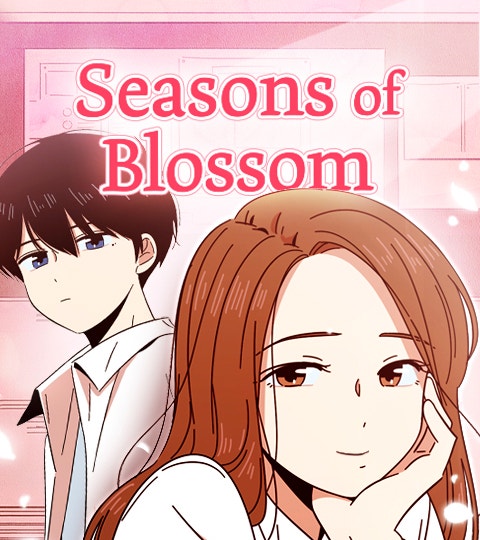
Tropes: Fake dating, first love, healing, interconnected stories. Status: Completed, 130 chapters. Read on WEBTOON.
The opening looks like a bright school romance, but the series gradually reveals how one student's pain can echo through friends, classmates, and future relationships. Its linked seasonal arcs move between crushes, friendship, regret, bullying, grief, and the consequences of things people never managed to say.
The art style: Clean and approachable rather than ornate, which works because the emotional impact depends on ordinary school spaces and familiar expressions. The pacing: Each arc has room to build its own cast while still feeding into the larger emotional picture. The protagonists: There is no single hero; the ensemble structure lets former side characters become fully human once the perspective shifts.
I would choose this if you want angst that feels grounded instead of melodramatic. The Hamin-focused material is the part most likely to break readers, but the series is not interested in suffering for shock value. It keeps returning to connection and recovery, so the sadness has more emotional range than the relentless marriage misery of Wished You Were Dead.
4. How to Win My Husband Over

Tropes: Transmigration, arranged marriage, enemies to lovers, trauma recovery, protective ML, masked pain, slow burn. Status: Hiatus, 137+ chapters. Read on Tapas.
Ruby knows she has entered the role of a political bride whose future is dangerous, so she performs cheerfulness and devotion as a survival strategy. Beneath that persona is a heroine shaped by abuse, fear, and disordered eating, while Izek slowly begins to notice how much of her behavior is built around staying safe.
The art style: One of the strongest visual draws in this list, especially in the contrast between luminous fantasy settings and Ruby's panic. The pacing: Slow by design, because trust develops in small steps and setbacks. The protagonist: Ruby can look bubbly from the outside, but the story constantly shows the calculation and fear beneath that mask.
Read this for psychological angst more than simple romantic yearning. The most painful moments come from how trauma changes Ruby's perception of ordinary interactions, not from a single tragic reveal. Compared with What It Means to Be You, the relationship starts from fear and political danger rather than a long-decayed marriage, but both stories make emotional recovery feel difficult instead of instant.
5. The Horizon

Tropes: Found family, survival, lone wolf, healing, underdog. Status: Completed, 21 chapters. Read on WEBTOON.
A nameless boy begins walking through a world devastated by war after losing his mother. He meets a girl who has also lost almost everything, and their journey along an empty road becomes a stark story about hunger, fear, companionship, and the question of why people keep moving when hope is barely visible.
The art style: Rough monochrome artwork, empty landscapes, and recurring visual symbols do much of the storytelling. The pacing: Extremely compact, with no room for filler and very little conventional worldbuilding. The protagonists: The children are intentionally simple figures, which makes their bond feel universal rather than tied to elaborate backstory.
This would be my pick when you want maximum emotional impact without committing to a long series. It is much less romance-focused than everything around it, and that difference is exactly why it belongs here. Where Karina's Last Days builds dread around a known ending, The Horizon creates dread from uncertainty, silence, and the sense that safety may not exist at all.
6. Wished You Were Dead

Tropes: Arranged marriage, hidden identity, regretful ML, first love, cursed heroine. Status: Completed, 134 chapters. Read on WEBTOON.
Karloi despises his wife Evonne because he sees her as part of the family that ruined his life. What he does not understand is that she is tied to the girl who once saved him, while a curse and political manipulation keep the truth buried as their marriage becomes more damaging.
The art style: Dramatic fantasy-romance presentation fits the story's heightened emotions and royal setting. The pacing: This is an angst marathon; the middle can feel punishing because the suffering repeats before the truth finally changes the balance. The protagonist: Evonne's endurance and eventual recovery matter more than the fantasy politics around her.
I would recommend this specifically to readers who enjoy catastrophic regret, delayed revelations, and redemption that has to come after real consequences. It is not the list's healthiest romance, and that is part of the point. If What It Means to Be You asks whether two damaged spouses can truly understand each other, this one pushes further into whether recognition can arrive too late to undo what happened.
7. Betrayal of Dignity

Tropes: Contract marriage, scheme and deception, enemies to lovers, obsessive ML, morally grey ML, duke and duchess. Status: Completed. Read on Manta.
Chloe is trying to protect her financially struggling family when Duke Damien takes a calculated interest in her. Their relationship becomes a battle of pride, attraction, manipulation, and power, with Damien repeatedly engineering situations that narrow Chloe's choices while she refuses to become emotionally easy to control.
The art style: Lavish historical-romance artwork sells both the elegance and the menace; beautiful scenes often carry a layer of psychological pressure. The pacing: More propulsive than the slow grief of Like Wind on a Dry Branch, with conflict driven by schemes and reversals. The protagonist: Chloe's pride and intelligence keep the story from turning into passive suffering.
This is the red-flag option of the list. I would pick it when you want angst with sharper chemistry, manipulation, and cat-and-mouse tension rather than pure tragedy. The emotional damage comes from watching two strong personalities collide inside an unequal relationship, so readers who need a consistently gentle male lead should start with Karina's Last Days instead.
8. My Reason to Die

Tropes: Strong female lead, healing, doomed romance. Status: Completed. Read on WEBTOON.
Ji-o's plans for competitive taekwondo are shaken by an injury, leaving her future suddenly less certain. Then Gyeol enters her life with immediate chemistry and a dangerous edge, turning what could have been a straightforward school romance into something moodier, more complicated, and increasingly painful.
The art style: Stylish character art and strong visual chemistry do a lot of the emotional work, especially in quiet close-ups. The pacing: The romance pulls you forward quickly, while the larger plot grows denser as the story expands beyond the school setting. The protagonist: Ji-o has ambitions outside the relationship, which helps her feel like a full character rather than someone waiting for romance to happen.
I would recommend this for readers who want yearning and chemistry first, then discover they signed up for something much sadder. It is more romantic and less structurally experimental than Seasons of Blossom, but both use youth, vulnerability, and missed timing to make the emotional punches land harder than their opening setup suggests.
9. Like Wind on a Dry Branch

Tropes: Slow burn, healing, protective ML, forced proximity, found family, duke and duchess. Status: Completed, 200+ episodes. Read on WEBTOON.
Rieta is a grieving widow whose life has been stripped down by loss and danger when Duke Killian intervenes. Instead of turning the story into instant rescue romance, the series lets safety, trust, and affection grow gradually while political threats and supernatural elements continue around them.
The art style: Elegant fantasy imagery supports a quiet, melancholy atmosphere rather than flashy action. The pacing: Very slow, sometimes intentionally so; this is a story about recovery that refuses to rush intimacy. The protagonist: Rieta's grief is treated as an ongoing reality, while Killian's appeal comes from patience and respect rather than dramatic possessiveness.
This would be my pick when you want angst that eventually feels soothing instead of corrosive. The sadness is heavy, but the romance gives the story room to breathe. Compared with Betrayal of Dignity, the male lead dynamic is almost the opposite: less manipulation, more steadiness, and a stronger sense that healing matters as much as chemistry.
10. Kill the Villainess

Tropes: Reincarnated as a villainess, meta awareness, isekai, doomed prophecy, runaway heroine, strong female lead. Status: Completed, 102 chapters. Read on Tapas.
Eris wakes inside the role of a villainess and does not want to make the fantasy world her new home. She wants to return to the life that was taken from her, but the story's rules keep trapping her in place while the men around her continue treating her like a character whose purpose belongs to them.
The art style: Somber visual direction and restrained expressions fit a heroine who feels detached from the world she has been forced into. The pacing: Focused and increasingly claustrophobic as the original plot closes in. The protagonist: Eris is the opposite of the usual cheerful transmigrator; her defining trait is refusal, and the story takes that refusal seriously.
I would recommend this when you want an isekai that treats displacement as loss instead of wish fulfillment. The romance exists, but autonomy is the real emotional core. Like The Horizon, it asks what survival means when simply continuing inside the current world is not automatically framed as a happy ending. It is bleak, sharp, and much more interested in choice than escapist fantasy.
Quick pick: which angsty manhwa should you start with?
| Manhwa | Best for | Status |
|---|---|---|
 Karina's Last Days Karina's Last Days | Terminal illness and found family | Ongoing |
 What It Means to Be You What It Means to Be You | Marriage regret and body-swap angst | Completed |
 Seasons of Blossom Seasons of Blossom | School drama, grief, and healing | Completed |
 How to Win My Husband Over How to Win My Husband Over | Trauma recovery and slow trust | Hiatus |
 The Horizon The Horizon | Short, devastating post-apocalyptic tragedy | Completed |
 Wished You Were Dead Wished You Were Dead | Hidden identity and catastrophic regret | Completed |
 Betrayal of Dignity Betrayal of Dignity | Dark red-flag historical romance | Completed |
 My Reason to Die My Reason to Die | Yearning, chemistry, and doomed romance | Completed |
 Like Wind on a Dry Branch Like Wind on a Dry Branch | Slow-burn grief and healing | Completed |
 Kill the Villainess Kill the Villainess | Bleak villainess isekai and autonomy | Completed |
If I were choosing purely by mood: start with Karina's Last Days for a tender cry, Wished You Were Dead for maximum marital regret, The Horizon for a short emotional gut punch, or Like Wind on a Dry Branch when you want the pain balanced by patient healing.
